Many Florida drivers are shocked when they walk outside on a hot Miami afternoon and suddenly notice a crack spreading across their windshield — even though no accident happened. Sometimes the crack appeared overnight. Other times, a tiny chip that seemed harmless suddenly stretches across the glass after the car sat in the sun for a few hours.
In Miami and throughout South Florida, heat and humidity create some of the harshest conditions for auto glass. Drivers often assume windshield cracks only happen after rocks hit the glass, but extreme temperature changes, trapped heat, humidity, and road vibration can weaken windshields much faster than most people realize.
If you have ever wondered why windshield cracks spread so quickly in Florida weather, why heat damages auto glass, or whether Miami humidity can affect windshield strength, the answer involves a combination of physics, pressure, temperature stress, and environmental exposure.
Table of Contents
- Why Does Heat Cause Windshield Cracks?
- Why Miami Weather Is Hard on Auto Glass
- Can Humidity Damage a Windshield?
- How Sudden Temperature Changes Spread Cracks
- Why a Small Chip Can Become a Large Crack
- Does Parking in the Sun Make Windshield Cracks Worse?
- Can Air Conditioning Crack a Windshield?
- Important Safety Note
- Is It Dangerous to Drive With a Heat Crack?
- Should You Repair or Replace the Windshield?
- How to Prevent Windshield Cracks in Florida Heat
- Why Miami Drivers Experience More Auto Glass Damage
- Does Insurance Cover Heat-Related Windshield Damage?
- When Should You Worry About a Spreading Crack?
- Frequently Asked Questions
Important Note
A windshield crack caused by heat may seem minor at first, but Florida’s intense temperatures and humidity can make small damage spread surprisingly fast. Understanding why cracks happen — and knowing when to repair them early — may help drivers avoid visibility problems, costly replacements, and dangerous road conditions later.
Why Does Heat Cause Windshield Cracks?
Heat causes windshield cracks because glass expands when temperatures rise. In Florida, especially around Miami, windshield temperatures can become extremely high after vehicles sit under direct sunlight for hours.
Modern windshields are designed to handle normal environmental stress, but when a windshield already contains a small chip, weak point, or microscopic fracture, excessive heat can increase pressure inside the glass structure.
The problem becomes worse when different parts of the windshield heat unevenly. For example, one side of the glass may sit under direct sunlight while another side remains relatively cooler. This uneven expansion creates internal tension across the windshield surface.
If there is already a chip from road debris or a tiny unseen fracture, that pressure may trigger rapid crack spreading.
Drivers often notice this after entering a hot car parked outside for several hours. The windshield may appear fine initially, but later the crack suddenly expands while driving or after turning on the air conditioning.
Many people are surprised to learn that temperature stress alone can worsen existing damage even without another object striking the glass.
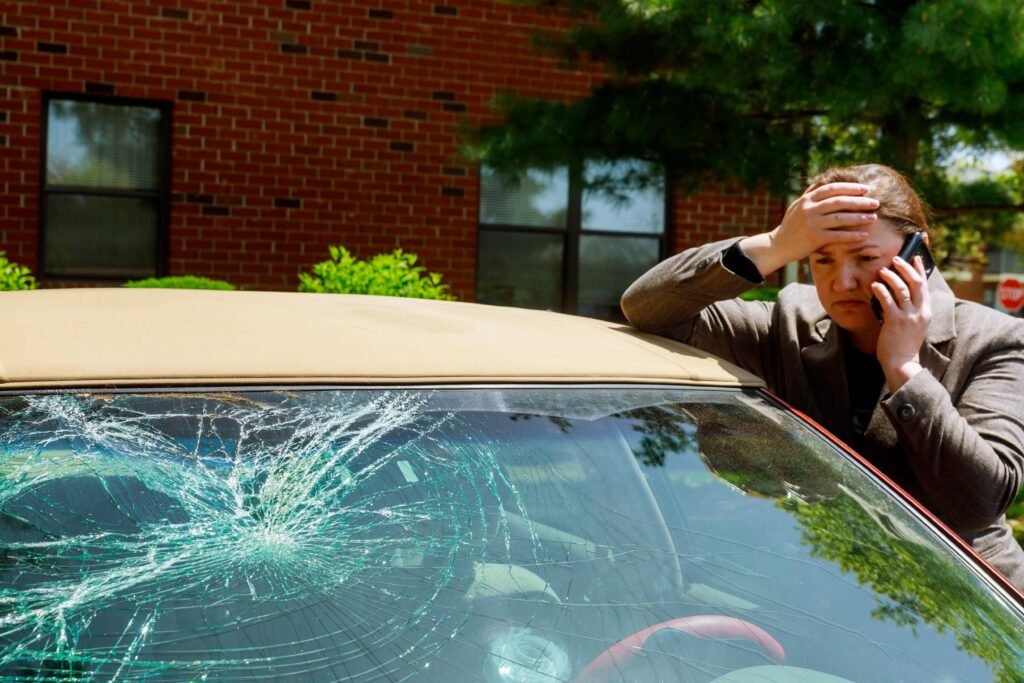
Heat-related windshield damage becomes especially common during Florida summers because pavement temperatures, humidity, and UV exposure all increase glass stress simultaneously.
Why Miami Weather Is Hard on Auto Glass
Miami creates an almost perfect environment for windshield stress.
The city experiences intense UV exposure, high humidity, frequent rainstorms, coastal moisture, and prolonged heat for much of the year. Together, these conditions constantly expose vehicle glass to expansion, contraction, and pressure changes.
Unlike colder states where freezing temperatures often cause windshield damage, Florida drivers deal with repeated heat cycles. Cars parked outdoors during the day may reach extremely high interior temperatures. Then, within minutes, drivers cool the cabin rapidly using strong air conditioning.
This repeated expansion and contraction weakens damaged areas over time.
Miami traffic also contributes to windshield problems. Heavy highway driving increases exposure to flying debris, gravel, and construction materials. Many windshield cracks actually begin as tiny chips from road impact, then worsen dramatically later because of heat stress.
Humidity adds another layer of environmental pressure. Moisture can seep into microscopic imperfections around chips or fractures, especially near windshield edges.
Combined with vibration from daily driving, Florida weather creates constant stress on already weakened auto glass.
Drivers often search online for:
- windshield cracked from heat
- hot weather windshield crack
- Florida heat windshield damage
- why windshield crack spreading
- Miami auto glass repair
These searches have become increasingly common because heat-related windshield damage affects so many vehicles throughout South Florida.
Can Humidity Damage a Windshield?
Humidity alone does not usually crack a windshield directly, but it absolutely contributes to the conditions that make cracks worsen faster.
Florida’s humid climate increases moisture exposure around windshield edges and existing chips. Moisture infiltration can weaken vulnerable areas, especially if the windshield already has small fractures or seal damage.
Humidity also changes how heat behaves on glass surfaces. Moisture trapped in the environment can intensify thermal stress during rapid weather changes.
For example, a windshield heated under strong sunlight may cool suddenly during a heavy Miami rainstorm. That rapid temperature shift places additional pressure on weakened sections of glass.
Drivers often notice crack spreading after:
- Thunderstorms
- Heavy rain followed by heat
- Rapid cooling from air conditioning
- Long highway drives in humid weather
- Vehicles sitting outside overnight
Humidity also affects visibility when cracks are present. Moisture and condensation can settle differently around damaged glass, making fractures more noticeable and distracting while driving.
While humidity may not be the direct cause, it plays an important supporting role in Florida windshield deterioration.
How Sudden Temperature Changes Spread Cracks
One of the biggest reasons windshield cracks spread in Florida is sudden temperature contrast.
Imagine a car sitting under direct Miami sun for several hours. The windshield becomes extremely hot. Then the driver enters the vehicle and immediately blasts cold air conditioning directly onto the glass.
This rapid cooling causes one area of the windshield to contract faster than surrounding sections. If the glass already contains a chip or weak point, the sudden stress can force the crack to spread.
Drivers sometimes hear a faint popping sound as the fracture expands.
The same thing can happen during sudden summer storms. A windshield exposed to intense heat may cool quickly when rainwater hits the glass surface.
Florida weather patterns create repeated temperature swings that place constant pressure on auto glass.
This is why even tiny chips should never be ignored for too long in hot climates.
Many drivers believe the crack “came out of nowhere,” when in reality the windshield likely already contained microscopic damage that became unstable under thermal stress.
Why a Small Chip Can Become a Large Crack Overnight
One of the most frustrating parts of windshield damage is how unpredictable crack spreading can feel.
A tiny chip from highway debris may appear stable for days or weeks. Then suddenly, after one hot afternoon or rainy night, the crack stretches across the windshield.
This happens because windshield glass stores stress internally. Small chips weaken the structure even when visible damage appears minimal.
Over time, pressure from:
- Heat expansion
- Road vibration
- Humidity changes
- Vehicle frame movement
- Temperature shifts
gradually destabilizes the damaged area.
Eventually, the glass reaches a breaking point where the crack suddenly expands.
Drivers often notice rapid spreading after:
- Driving over potholes
- Slamming car doors
- Parking under direct sunlight
- Running cold AC immediately
- Heavy highway driving
What looked like a simple repairable chip may quickly become a full windshield replacement situation.
Does Parking in the Sun Make Windshield Cracks Worse?
Yes, prolonged sun exposure is one of the biggest reasons windshield cracks spread faster in Florida.
Direct sunlight dramatically increases windshield temperature, especially in dark-colored vehicles or cars parked on asphalt surfaces. Interior cabin temperatures can become dangerously high within a short time.
When damaged glass heats repeatedly every day, pressure builds around existing weak points.
Drivers in Miami often experience this during summer months when vehicles remain parked outdoors at work, shopping centers, beaches, or apartment complexes.
UV radiation itself may not directly crack the windshield, but the thermal stress caused by extreme heat absolutely accelerates spreading damage.
Parking habits matter more than many drivers realize. Vehicles kept in shaded garages or covered parking generally experience slower crack progression compared to vehicles exposed continuously to direct sunlight.
Using windshield sunshades may also help reduce interior heat buildup and lessen temperature stress on damaged glass.
Can Air Conditioning Crack a Windshield?
Air conditioning usually does not create brand-new windshield cracks on perfectly healthy glass. However, it can absolutely worsen existing chips or fractures.
The issue is not the AC itself — it is the sudden temperature difference.
When extremely cold air hits superheated glass, the rapid contraction creates stress across the windshield surface. Weak areas respond first.
This is why many Florida drivers notice crack spreading shortly after turning on maximum AC during hot afternoons.
The risk becomes even greater if:
- The crack already reaches the edge of the windshield
- The chip is deep
- The windshield experienced prior stress damage
- The vehicle sits outside daily in extreme heat
Experts often recommend cooling the cabin gradually instead of blasting freezing air immediately onto hot glass.
Allowing some ventilation first may reduce sudden thermal shock.
Important Note
Not every windshield crack means immediate danger, and many small chips can still be repaired successfully if addressed early. Still, rapidly spreading cracks, visibility problems, or damage near the driver’s line of sight should never be ignored. Florida heat can turn minor glass damage into a much larger safety issue faster than many drivers expect.
Is It Dangerous to Drive With a Heat Crack?
Driving with a heat-related windshield crack can become dangerous depending on the size, location, and severity of the damage.
One of the biggest problems is reduced visibility. Cracks reflect sunlight, headlights, rain glare, and street lighting differently than undamaged glass. Even relatively thin fractures can create distracting visual distortion while driving.
Miami drivers especially notice this during:
- Bright afternoon sunlight
- Nighttime highway driving
- Heavy rainstorms
- Wet road glare
- Rush-hour traffic
Cracked windshields also lose some structural strength. Modern windshields help support roof integrity during rollovers and assist proper airbag deployment during collisions.
When large cracks spread across the glass, the windshield becomes less capable of handling sudden impact stress.
Many drivers continue using damaged windshields because the car still feels drivable. However, visibility issues and weakening glass can gradually increase safety risks over time.
Should You Repair or Replace a Heat-Damaged Windshield?
Once a windshield crack starts spreading in Miami heat, the biggest decision drivers face is whether it can still be repaired or if full replacement is necessary. The answer depends less on how the crack looks at first glance and more on how deep, long, and active the damage has become.
In many cases, small chips caused by road debris can still be repaired successfully even in hot climates. The repair process usually involves injecting a specialized resin into the damaged area to stabilize the glass and prevent further spreading. When done early, this can stop heat-related expansion before it worsens.
However, repair becomes less effective when the crack has already traveled across a significant portion of the windshield or reached the edges. Edge cracks are especially concerning because they compromise the structural tension of the entire glass panel.
Drivers often underestimate how quickly Florida heat can change the situation. A chip that seemed “safe to ignore” in the morning may turn into a long visible crack by evening after a day parked under direct sunlight.
Replacement is typically recommended when:
- The crack is longer than a few inches and actively spreading
- The damage reaches the windshield edge or frame
- Visibility is affected while driving
- Multiple cracks are forming at different points
- The inner layer of laminated glass is compromised
Modern vehicles may also require sensor recalibration after replacement, especially those equipped with lane assist, collision warning systems, or rain detection technology. This is becoming increasingly common in Miami’s newer vehicle population.
How to Prevent Windshield Cracks in Miami Heat
While you cannot control Florida weather, you can absolutely reduce the risk of heat-related windshield damage with a few practical habits. Prevention becomes especially important in Miami, where temperature extremes and humidity are part of daily life.
One of the most effective steps is parking in shaded or covered areas whenever possible. Even partial shade can significantly reduce windshield surface temperature and slow down crack expansion in already weakened glass.
Using a windshield sunshade is another simple but powerful method. It reflects sunlight and reduces internal cabin heat buildup, which in turn minimizes thermal stress when you start your car and turn on the air conditioning.
Drivers should also avoid sudden temperature shocks whenever possible. For example, blasting cold air directly onto a superheated windshield can increase stress on existing chips. A more gradual cooling approach helps reduce this pressure.
Other helpful prevention habits include:
- Repairing small chips immediately instead of waiting
- Keeping safe distance from construction trucks on highways
- Avoiding parking under direct sun for long hours
- Checking windshield edges for early signs of damage
- Maintaining proper windshield wiper condition to reduce stress friction
Many Miami drivers only think about windshield care after damage appears, but early prevention is significantly cheaper and safer than waiting for a full crack to develop.
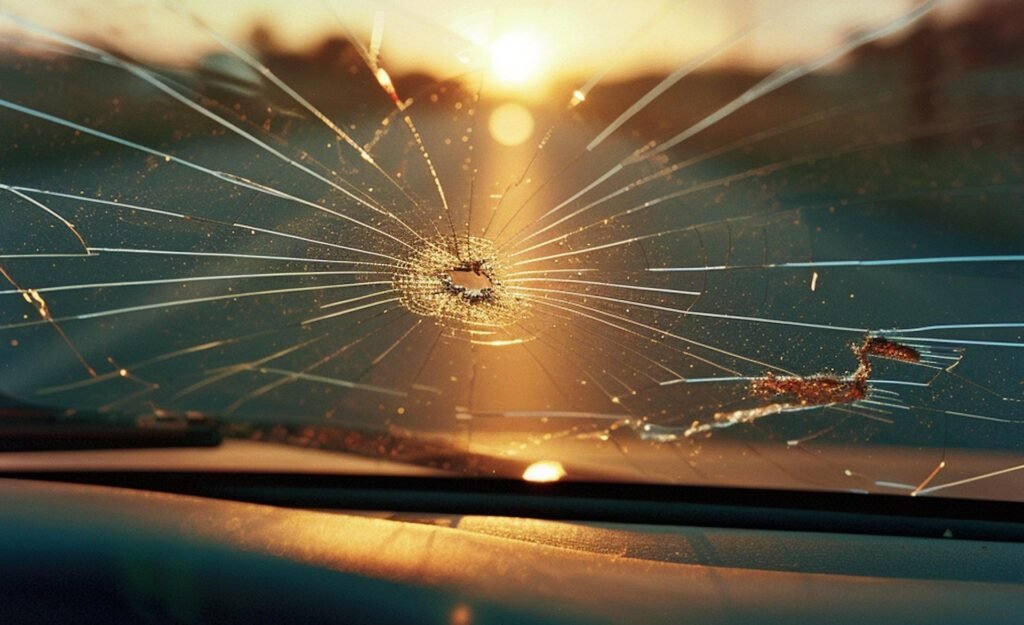
Why Miami Drivers Experience More Windshield Cracks Than Other Cities
Miami’s combination of heat, humidity, traffic density, and highway construction makes it one of the highest-risk environments in the United States for windshield damage.
High-speed highways around South Florida frequently expose drivers to flying debris, especially from trucks carrying construction materials, gravel, or loose cargo. Even a small stone hitting the windshield at highway speed can create a micro-chip that later expands under heat stress.
Once that chip exists, Miami’s weather does the rest of the work. Intense sunlight heats the glass surface rapidly, while air conditioning inside the car cools it just as quickly. This constant expansion and contraction cycle weakens the glass structure over time.
Humidity adds another layer of environmental pressure, especially when moisture collects near windshield edges or pre-existing cracks. Over time, this can contribute to further spreading or clouding around damaged areas.
Traffic conditions also matter. Stop-and-go driving increases vibration exposure, especially on uneven roads or areas with frequent construction patches.
It is not unusual for Miami drivers to report multiple windshield repairs within a few years simply due to environmental exposure alone.
Insurance claims related to windshield damage are also more common in Florida compared to many other states because of this high environmental stress.
Does Insurance Cover Heat-Related Windshield Damage in Florida?
In many cases, yes—Florida insurance policies with comprehensive coverage often include windshield repair or replacement benefits, even when the damage is caused indirectly by heat stress.
What matters most is not whether heat was the final trigger, but whether the windshield damage qualifies under comprehensive auto coverage. This typically includes non-collision damage such as road debris impact, weather-related stress, and glass cracking.
Many Florida drivers are surprised to learn that some policies may allow windshield replacement without requiring a deductible. This makes early repair much more accessible compared to states where out-of-pocket costs are higher.
However, coverage varies between insurance providers. Some policies may fully cover replacement, while others may only cover chip repair unless the damage becomes severe enough to require full replacement.
Drivers in Miami commonly search for:
- windshield cracked from heat insurance Florida
- does insurance cover windshield crack spreading
- free windshield replacement Miami
- auto glass repair near me Florida
Because of this, many auto glass companies in Florida directly handle insurance claims, making the process faster and more convenient for vehicle owners.
When Should You Worry About a Spreading Windshield Crack?
Not every crack means immediate danger, but certain warning signs suggest that heat-related damage is becoming more serious and should not be ignored.
You should become concerned when the crack begins to grow noticeably within a short time, especially after exposure to sun or air conditioning. Rapid spreading is one of the clearest signs that the glass structure is under ongoing stress.
Other warning signs include:
- Crack reaching the driver’s direct line of sight
- Visible distortion while looking through the glass
- Increasing glare from sunlight or headlights
- New branching cracks forming from the original point
- Edge cracks extending inward
Miami drivers should pay special attention during summer months when heat intensity is highest. A windshield that seems stable in the morning can behave very differently after a full day of sun exposure.
It is also important to consider how often you drive. Daily commuters expose their windshields to more vibration, temperature cycling, and environmental stress compared to occasional drivers.
Once visibility is affected or the crack begins expanding regularly, delaying repair usually leads to higher replacement costs later.
How Long Can a Heat-Related Windshield Crack Stay Stable?
There is no fixed timeline for how long a heat-related crack will remain unchanged. Some minor chips can stay stable for weeks, while others may expand within hours under the right conditions.
In Miami’s climate, stability is often unpredictable because multiple stress factors act on the windshield simultaneously. Heat, humidity, traffic vibration, and sudden cooling all interact with existing damage.
A crack may appear stable during cooler morning hours but begin expanding after midday heat peaks or after the air conditioning is turned on at full strength.
This unpredictability is why professionals recommend treating even small chips early, rather than waiting to see if they “get worse.” Once spreading begins, it often accelerates rather than slows down.
Can a Cracked Windshield Suddenly Fail While Driving?
Complete sudden windshield failure is rare, but worsening cracks can significantly reduce structural strength and increase safety risk.
Windshields are made of laminated safety glass designed to hold together even when cracked. However, as damage spreads, the glass loses its ability to distribute force evenly across the surface.
If a vehicle hits a pothole, experiences sudden pressure changes, or undergoes minor collision stress, a heavily cracked windshield is more vulnerable to additional breakage.
Drivers may also notice small popping sounds or visible expansion lines after driving over rough roads, especially in areas with ongoing construction.
While full shattering is uncommon, visibility loss or structural weakening can still create dangerous driving conditions if damage is ignored too long.
Frequently Asked Questions
Why do windshields crack so easily in Miami heat?
Because extreme heat causes glass expansion, and any existing chip or weak point becomes stressed. Miami’s temperature cycles and humidity accelerate this process.
Can air conditioning make windshield cracks worse?
Yes, rapid cooling after extreme heat can cause thermal stress that makes existing cracks spread faster.
Is it safe to drive with a heat crack?
It depends on size and location, but visibility distortion and structural weakening can make it risky over time.
How fast do windshield cracks spread in Florida?
Some cracks remain stable, but many expand quickly due to heat, vibration, and weather changes—sometimes within hours or days.
Does insurance cover heat-related windshield damage?
Often yes, if you have comprehensive coverage, but terms vary by provider.
Should I repair a small chip immediately?
Yes, early repair significantly reduces the chance of heat turning a small chip into a large crack.
Final Thoughts
Windshield cracks in Miami heat are rarely caused by just one factor. Instead, they result from a combination of road debris impact, extreme temperature exposure, humidity, and repeated stress from daily driving conditions.
What begins as a small chip can quickly turn into a spreading crack when exposed to Florida’s intense environmental cycles. That is why early attention is so important.
Understanding how heat affects glass helps drivers make better decisions about when to repair, when to replace, and how to prevent future damage. In many cases, acting early is not just more affordable—it is also significantly safer.
Disclaimer: This article is for informational purposes only and should not be considered professional automotive repair advice. Windshield damage severity and repair requirements may vary based on vehicle type, environmental conditions, and technician evaluation. Always consult a certified auto glass specialist for accurate assessment and repair recommendations.