A cracked windshield often starts as something small — a tiny chip from highway debris, a faint line near the edge of the glass, or a sudden crack after a temperature change. Many Florida drivers ignore it at first, especially if the vehicle still feels perfectly drivable. But once the crack spreads across your line of sight or begins affecting visibility, that small inconvenience can quickly turn into a legal and safety concern.
Florida drivers frequently ask questions like: “Can I get a ticket for a cracked windshield?” “Is it illegal if the crack is small?” or “Will insurance cover windshield replacement in Florida?” The answers are not always as simple as yes or no. Florida law focuses heavily on driver visibility and road safety, which means the location, size, and severity of the crack matter more than many people realize.
Table of Contents
- What Does Florida Law Say About Cracked Windshields?
- When Is a Cracked Windshield Illegal in Florida?
- Can You Get a Ticket for a Cracked Windshield?
- Why Driving With a Cracked Windshield Can Be Dangerous
- Small Crack vs Large Crack: Does Size Matter?
- Why Windshield Cracks Spread So Quickly in Florida
- Does Florida Insurance Cover Windshield Replacement?
- Should You Repair or Replace the Windshield?
- Important Safety Note for Drivers
- What Happens if Police Stop You?
- How Cracks Affect Visibility and Driving Safety
- When Should You Worry About a Cracked Windshield?
- How Much Does Windshield Repair Cost in Florida?
- Windshield Repair in Florida Cities
- Frequently Asked Questions
- Final Thoughts
Important Note
A windshield crack may seem minor at first, but some types of damage can weaken the structural safety of your vehicle and reduce visibility more than drivers realize. In this article, you’ll learn when a cracked windshield may become illegal in Florida, what risks it creates during everyday driving, when insurance may cover repairs, and why delaying replacement can sometimes lead to more expensive problems later.
What Does Florida Law Say About Cracked Windshields?
Florida law does not specifically say that every cracked windshield is automatically illegal. Instead, the law focuses on whether the windshield obstructs the driver’s clear view of the road. This distinction is important because some minor chips or edge cracks may technically be allowed, while larger cracks directly in the driver’s field of vision may lead to traffic violations or safety concerns.
Under Florida traffic regulations, vehicles must be operated in a condition that allows drivers to maintain proper visibility. Law enforcement officers can decide whether windshield damage creates a hazardous driving condition. That means two cracks of similar size may be treated differently depending on where they are located and how severely they affect visibility.
For example, a small crack near the passenger side corner might not immediately trigger a citation. However, a long horizontal crack crossing the driver’s viewing area could easily be considered unsafe.
Many drivers assume they are safe as long as the windshield remains intact, but visibility distortion is often the biggest issue. Sun glare, rain reflection, nighttime headlights, and even windshield wiper movement can make cracks far more distracting while driving.
Florida also experiences frequent weather shifts, intense heat, and road debris from highways, which can cause small windshield damage to spread rapidly. A crack that looked harmless last week may become a major obstruction after one hot afternoon parked outside.
When Is a Cracked Windshield Illegal in Florida?
A cracked windshield becomes more legally concerning when it interferes with the driver’s ability to see the road clearly. In practical terms, police officers usually pay attention to:
- Cracks directly in the driver’s line of sight
- Large spiderweb-style fractures
- Long cracks stretching across the windshield
- Damage affecting windshield stability
- Multiple cracks that distort visibility
- Windshield damage combined with broken glass
One of the most common questions drivers ask is, “Can I drive with a cracked windshield if the crack is small?” In many situations, a minor chip or short crack may not lead to immediate legal trouble. However, once visibility becomes impaired, the risk changes significantly.
Police officers often use judgment based on road conditions and driver safety. If the crack catches glare from headlights or sunlight, creates visual distortion, or distracts the driver, it may be considered unsafe even if the damage itself is not massive.
Commercial vehicles and rideshare drivers may face even stricter expectations because passenger safety becomes a larger concern. Drivers for delivery services, taxis, or transportation companies are often expected to maintain clearer visibility standards.
It is also important to understand that windshield damage can become part of a broader safety inspection issue after an accident. If investigators believe the crack contributed to reduced visibility during a collision, it may complicate insurance or liability discussions.
Can You Get a Ticket for a Cracked Windshield?
Yes, Florida drivers can receive a ticket for driving with a cracked windshield if law enforcement determines the damage creates an unsafe condition or obstructs visibility.
In reality, not every cracked windshield automatically results in a traffic stop. Many drivers continue driving for weeks or months without issues. However, the chances of receiving a citation increase when:
- The crack blocks part of the driver’s view
- The windshield appears severely damaged
- The crack reflects sunlight or headlights excessively
- The officer believes the vehicle is unsafe
- The windshield damage accompanies another traffic violation
Some drivers only discover the seriousness of windshield laws after being pulled over for something unrelated, such as speeding or a broken taillight. During the stop, officers may also issue warnings or citations related to the windshield condition.
The exact fine can vary depending on the situation and local enforcement practices. In some cases, officers may simply issue a warning and instruct the driver to repair the windshield promptly. In other situations, especially if visibility is significantly impaired, a formal citation may occur.
Drivers often underestimate how much windshield damage affects nighttime driving. A crack that seems manageable during the day may scatter light from oncoming traffic after dark, creating dangerous visual distortion.
Why Driving With a Cracked Windshield Can Be Dangerous
Many people think of a windshield as just a piece of glass protecting them from wind and debris. In reality, modern windshields play a major role in vehicle safety.
A damaged windshield can weaken the structural integrity of the car during accidents or rollovers. In some collisions, the windshield helps support roof stability and assists proper airbag deployment. When cracks spread deeply through the glass layers, that protective strength may decrease.
Visibility problems are another major concern. Even a relatively thin crack can distort what drivers see, especially under:
- Bright Florida sunlight
- Heavy rainstorms
- Night driving conditions
- Highway glare
- Wet road reflections
Drivers may unconsciously shift their posture or head position to avoid looking through the crack. Over time, this can create visual fatigue and distraction during long drives.
Some cracks also weaken rapidly from vibration. Everyday driving over potholes, speed bumps, or uneven pavement may cause the glass to expand suddenly.
Florida’s climate makes this even more common. Intense heat causes windshield glass to expand, while air conditioning cools the interior surface quickly. That temperature difference can stress existing cracks and make them spread much faster than expected.
Small Crack vs Large Crack: Does Size Matter?
Yes, the size and location of a windshield crack both matter significantly.
Small chips are often repairable if addressed early. Many repair technicians can fix minor damage before it spreads across the glass. The sooner drivers act, the better the chance of avoiding full replacement.
Larger cracks, however, become more problematic because they are harder to stabilize and more likely to interfere with visibility. Long cracks often continue spreading over time due to:
- Heat exposure
- Road vibration
- Rain and moisture intrusion
- Sudden temperature changes
- Vehicle frame movement
Location may actually matter more than overall size. A smaller crack directly in front of the driver can create more danger than a larger crack near the passenger side edge.
Spiderweb cracks also deserve attention because they scatter light unpredictably. Drivers sometimes notice halos, blurred reflections, or distorted shapes around headlights at night.
People frequently ask whether windshield repair is enough or if replacement is necessary. The answer depends on how deep the damage extends, whether the inner glass layer is affected, and whether visibility has already become compromised.
Why Windshield Cracks Spread So Quickly in Florida
Florida weather creates ideal conditions for windshield damage to worsen rapidly.
Extreme heat is one of the biggest factors. When vehicles sit under direct sunlight, windshield temperatures can rise dramatically. Then, when drivers turn on cold air conditioning, the rapid temperature contrast places stress on already weakened glass.
Humidity and sudden rainstorms may also contribute to pressure changes affecting the windshield surface. Combined with road vibration from highways and construction zones, these stresses often turn small chips into long cracks surprisingly fast.
Florida highways also expose drivers to increased debris risks. Loose gravel, construction materials, and tire fragments frequently strike windshields at high speeds.
Many drivers delay repairs because the crack initially appears stable. Unfortunately, windshield damage often expands unpredictably overnight or after a single rough drive.
That is why auto glass professionals usually recommend repairing chips early rather than waiting for the damage to become unrepairable.
Does Florida Insurance Cover Windshield Replacement?
Florida is one of the few states where comprehensive auto insurance may cover windshield replacement with no deductible under certain policies.
Under Florida law, drivers with comprehensive coverage are often eligible for windshield repair or replacement without paying out of pocket for the deductible. This benefit encourages drivers to repair dangerous windshield damage sooner rather than delaying necessary repairs.
However, coverage details can vary depending on the insurance company and policy terms. Some policies cover full replacement, while others may only approve repairs for smaller chips.
Drivers commonly search for:
- free windshield replacement Florida
- Florida windshield replacement law
- does insurance cover cracked windshield
- windshield repair near me
- auto glass replacement Florida
Before scheduling repairs, many drivers contact their insurance provider to confirm coverage and approved repair vendors.
Some auto glass companies in Florida also handle insurance paperwork directly, making the process easier for vehicle owners.
Important Note
Not every windshield crack means immediate danger, and many minor chips can be repaired quickly before they become serious. Still, it’s important not to ignore damage that affects visibility, spreads rapidly, or appears directly in your line of sight. Trying to self-assess severe windshield damage without professional evaluation can sometimes increase both safety risks and repair costs later.
Should You Repair or Replace the Windshield?
The decision between windshield repair and full replacement depends on several factors, including the size of the crack, the depth of the damage, and where it appears on the glass.
In general, smaller chips and short cracks can often be repaired successfully if treated early. Repair works by injecting a specialized resin into the damaged area to stabilize the glass and reduce further spreading.
Replacement becomes more likely when:
- The crack is long or spreading quickly
- The damage blocks driver visibility
- The crack reaches the windshield edge
- Multiple cracks are present
- The inner layer of glass is compromised
Many drivers hesitate because they worry replacement will be expensive or time-consuming. However, delaying repairs often allows the crack to worsen until replacement becomes unavoidable anyway.
Modern windshield systems may also include driver-assistance technology such as lane departure warnings, rain sensors, or forward collision cameras. After replacement, these systems sometimes require recalibration to function properly.
For that reason, professional installation matters more than many drivers realize.
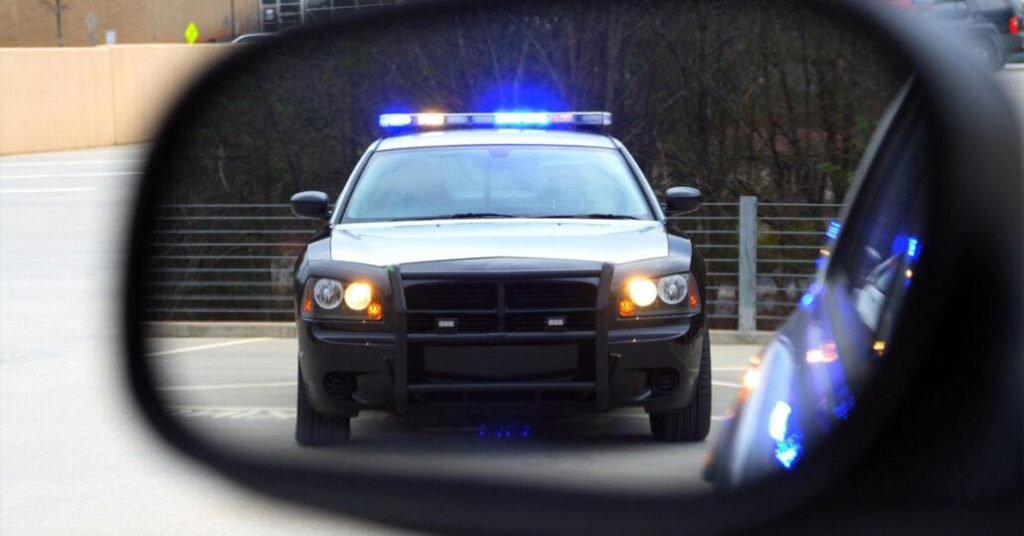
What Happens if Police Stop You for a Cracked Windshield?
Being pulled over because of windshield damage can feel stressful, especially if the crack has been there for a while and never seemed like a major issue. In Florida, what happens during a traffic stop usually depends on how severe the windshield damage appears and whether it is affecting visibility.
In some situations, officers may simply issue a verbal warning and advise the driver to repair the windshield soon. This is more common when the damage is relatively small or located away from the direct line of sight.
However, if the windshield appears unsafe, drivers could receive a citation. Officers may consider factors such as:
- Whether the crack obstructs vision
- How large or severe the fracture looks
- Whether the glass appears unstable
- If glare or distortion is visible
- Whether weather conditions worsen visibility
Many drivers are surprised to learn that officers often evaluate windshield damage differently during nighttime or rainy conditions. A crack that seems manageable in daylight can become far more dangerous once glare from headlights or wet roads reflects through damaged glass.
If you are stopped, remaining calm and respectful is important. Some officers may document the issue and provide time to repair it before additional penalties occur.
Drivers who repeatedly ignore dangerous windshield damage may face increased legal risk, especially if the condition contributes to an accident or visibility-related driving issue later.
How Cracks Affect Visibility and Driving Safety
One reason cracked windshield laws exist is because visibility problems are not always obvious at first. Many people adjust to the crack mentally and stop noticing it during routine driving. But the human eye and brain still process the distortion continuously, especially during stressful road conditions.
Even thin cracks can bend and scatter light. During sunrise or sunset in Florida, sunlight often hits the windshield at sharp angles, turning small fractures into bright reflective streaks across the driver’s vision.
Night driving creates another layer of difficulty. Headlights from oncoming traffic can scatter through damaged glass, causing halos, glare, and temporary visual confusion. Some drivers describe needing to “look around” the crack constantly to maintain clear focus.
Rain also complicates visibility. Water interacts differently with cracked surfaces, and windshield wipers may not clean damaged areas evenly. During Florida storms, this combination can make driving significantly more hazardous.
Cracks can also affect depth perception in subtle ways. Distorted visual lines may interfere with judging lane position, road markings, or distance between vehicles.
Drivers who already wear glasses or struggle with nighttime vision may notice these effects even more intensely.
Another overlooked issue involves stress and distraction. Many drivers unconsciously focus attention on the crack itself, especially if it continues spreading during daily driving. That mental distraction can reduce concentration on surrounding traffic.
In serious cases, windshield damage can weaken the glass enough that sudden impact or road vibration causes additional shattering.
When Should You Worry About a Cracked Windshield?
Not every crack creates immediate danger, but certain warning signs should never be ignored.
You should become more concerned when:
- The crack spreads quickly over days or weeks
- The damage reaches the driver’s viewing area
- You notice glare or visual distortion
- The windshield vibrates unusually while driving
- Multiple cracks appear
- The glass begins chipping or separating
- The crack reaches the edge of the windshield
Edge cracks are especially important because they can weaken the overall structure of the windshield more dramatically. Once structural integrity becomes compromised, the glass may become more vulnerable during collisions or sudden pressure changes.
Drivers should also pay attention to seasonal changes. Florida’s summer heat often accelerates crack expansion unexpectedly. A windshield that seemed stable during cooler weather may suddenly worsen after prolonged heat exposure.
If the crack begins interfering with visibility while driving, scheduling professional repair should become a priority rather than something postponed indefinitely.
Parents driving with children, rideshare operators, and long-distance commuters should be especially cautious because windshield reliability becomes even more critical during extended road time.
How Much Does Windshield Repair Cost in Florida?
Windshield repair costs in Florida vary depending on the severity of the damage, the type of vehicle, and whether replacement is necessary.
Minor chip repairs are usually far less expensive than full windshield replacement. Small repairs may sometimes be completed in under an hour if the damage is limited.
Replacement costs tend to increase when vehicles include advanced driver-assistance systems such as:
- Lane departure sensors
- Forward collision cameras
- Rain-sensing windshield systems
- Adaptive cruise control technology
- Heads-up display integration
Modern calibration requirements can add both time and expense after replacement.
However, many Florida drivers with comprehensive insurance coverage pay little or nothing out of pocket because state law often allows windshield replacement coverage without a deductible.
That is one reason many repair companies advertise “free windshield replacement” services in Florida. In reality, the insurance policy typically covers the eligible cost.
Before choosing an auto glass provider, drivers often compare:
- Insurance compatibility
- Mobile repair availability
- OEM vs aftermarket glass
- Calibration services
- Repair warranty options
Choosing a reputable installer matters because poor installation can create future leaks, visibility issues, or sensor malfunctions.
Can a Cracked Windshield Shatter While Driving?
Complete windshield shattering while driving is relatively uncommon, but severe cracks can absolutely weaken the glass enough to increase risk.
Modern windshields are built using laminated safety glass, which means two layers of glass are bonded together with a protective plastic layer between them. This design helps prevent total collapse during impacts.
However, extensive cracking reduces the windshield’s ability to absorb stress properly. Large fractures may continue spreading unpredictably, especially during:
- Road vibration
- High-speed driving
- Temperature swings
- Minor collisions
- Sudden pressure changes
Drivers sometimes hear popping or cracking sounds from expanding damage after hitting potholes or driving over uneven pavement.
While the windshield may not explode dramatically, worsening fractures can still create dangerous visibility problems and reduce structural protection during accidents.
If you notice rapid crack growth, loose glass fragments, or significant spreading near the edges, professional evaluation should not be delayed.
Does a Cracked Windshield Affect Car Insurance Claims?
In some situations, yes.
If windshield damage existed before an accident, insurance adjusters may review whether visibility problems contributed to the collision. While this does not automatically mean a claim will be denied, pre-existing damage can sometimes complicate liability discussions.
For example, if a driver had a major crack directly in their line of sight and rear-ended another vehicle at night, investigators could potentially consider whether reduced visibility played a role.
This is another reason many drivers choose early repairs rather than postponing them indefinitely.
Fortunately, Florida’s windshield coverage laws help reduce financial barriers for many insured drivers.
Can You Pass Vehicle Inspection With a Cracked Windshield in Florida?
Florida does not currently require statewide periodic vehicle safety inspections for most personal vehicles the way some other states do. However, that does not mean windshield condition is irrelevant.
Police officers can still issue citations if the windshield creates an unsafe driving condition. Commercial vehicles may also face additional inspection standards depending on their operating requirements.
Drivers moving to Florida from states with strict inspection programs are sometimes surprised by the difference. Still, maintaining a safe windshield remains important regardless of formal inspection rules.
How Long Can You Safely Drive With a Cracked Windshield?
There is no universal timeline because every crack behaves differently.
Some small chips remain stable for months, while others spread dramatically within days. Factors such as heat, humidity, vibration, road conditions, and glass stress all influence how quickly damage worsens.
What often starts as a tiny chip from road debris can turn into a long crack after:
- Parking in direct sunlight
- Using cold air conditioning immediately
- Driving over potholes
- Closing doors forcefully
- Heavy rain or pressure changes
Drivers should avoid assuming the crack will remain unchanged simply because it has stayed stable temporarily.
Once visibility becomes affected or the crack spreads noticeably, repair should move higher on the priority list.
Why Drivers in Miami and Florida Highways Experience More Windshield Damage
Florida roads create unique conditions for windshield damage compared to many other states.
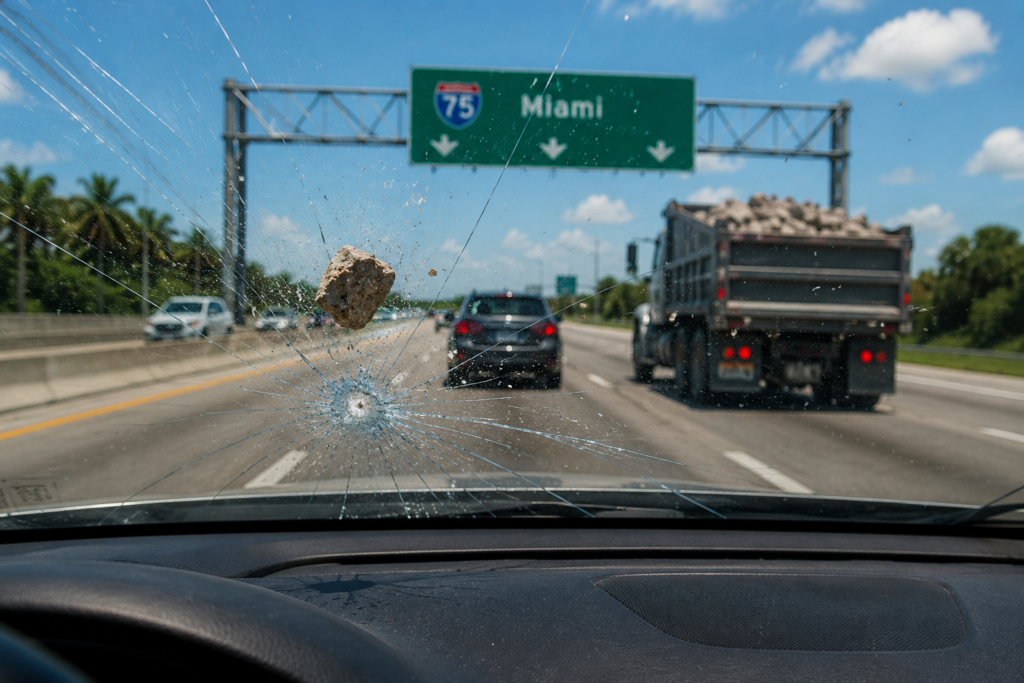
Highway construction, loose gravel, coastal weather, and heavy traffic all contribute to increased windshield chip incidents. Areas with frequent construction zones often expose drivers to flying debris from trucks and road work.
Drivers in cities like Miami, Orlando, Tampa, Jacksonville, and Fort Lauderdale commonly report windshield chips from highway debris during high-speed commuting.
Florida’s combination of intense UV exposure and rapid cooling from air conditioning also accelerates glass stress.
Long-distance commuters face additional risk simply because more road exposure increases the chances of debris impact over time.
Many drivers only realize how vulnerable windshields are after hearing the sudden sharp “ping” of a rock hitting the glass during highway driving.
Windshield Repair and Replacement Across Florida
Drivers throughout Florida frequently search for fast windshield repair services after unexpected damage appears during commuting or highway travel.
Common searches include:
- windshield repair Miami
- auto glass replacement Orlando
- mobile windshield repair Tampa
- same-day windshield replacement near me
- Florida cracked windshield repair
Mobile repair services have become especially popular because many companies can replace or repair windshields directly at homes, offices, or parking locations.
This convenience helps drivers avoid extended downtime while reducing the temptation to delay necessary repairs.
When choosing a provider, drivers often look for:
- Insurance approval
- Certified technicians
- Warranty coverage
- OEM-quality materials
- ADAS recalibration capability
Because windshield systems now interact with modern vehicle safety technology, professional installation standards matter more than ever.
Frequently Asked Questions
Can I legally drive with a cracked windshield in Florida?
Possibly. Florida law mainly focuses on whether the crack obstructs the driver’s clear visibility. Small cracks may not automatically be illegal, but larger or vision-blocking damage can lead to citations.
Can police pull you over for a cracked windshield?
Yes. Officers can stop drivers if windshield damage appears unsafe or interferes with visibility.
Will insurance cover windshield replacement in Florida?
Many Florida insurance policies with comprehensive coverage include windshield replacement benefits without requiring a deductible.
How long does windshield repair take?
Small repairs may take less than an hour, while full replacements often require additional time for installation and safety calibration.
Is a small windshield chip dangerous?
A small chip may not seem serious initially, but heat, vibration, and weather can cause it to spread quickly over time.
Can a cracked windshield fail during an accident?
Yes. Severe windshield damage may weaken structural support and reduce overall safety during collisions or rollovers.
Should I repair a windshield crack immediately?
Early repair is usually recommended because small cracks are easier and less expensive to fix before they spread.
Final Thoughts
Driving with a cracked windshield in Florida is not always automatically illegal, but visibility and safety are the key issues that determine when damage becomes a serious problem.
What begins as a small chip can gradually evolve into a major safety concern due to Florida heat, highway debris, rain, and constant road vibration. Many drivers delay repairs because the crack initially feels manageable, but worsening visibility and structural weakness can increase both legal and accident risks over time.
If the crack spreads across your viewing area, reflects glare, or compromises the windshield’s strength, professional repair or replacement becomes far more important than simple appearance concerns.
Addressing windshield damage early may help drivers avoid citations, improve road safety, reduce long-term costs, and maintain better visibility during Florida’s challenging driving conditions.
Disclaimer: This article is for general informational purposes only and should not be considered legal advice, insurance guidance, or professional automotive safety consultation. Traffic laws, insurance coverage, and repair requirements may vary depending on individual circumstances and policy details. Drivers should consult licensed legal professionals, insurance providers, or certified auto glass specialists for guidance regarding specific situations.